
Dr. John Lu is an expert and also an inventor in bio-based products and biomaterials, and has been working in this field for twenty years. In 2007 he and his family moved to a small town in Minnesota due to his job relocation. He noticed that most of the paints for many beautiful wood houses in the neighborhood were gradually cracking and suddenly peeling off someday. These defects were usually combined with the molding, decaying and even deterioration of wood. In addition, he saw every year that various houses in the town were repainted to maintain surface protection to the wood.
After digging into these puzzles, he found out that the poor adhesion and bonding degradation of the wood paints appeared to be the reasons. Through intense research and testing, he successfully developed a breakthrough method to resolve the paint adhesion problem. Recently two US Patents have been granted for the groundbreaking technology, and thus resulting in new generation and durable bio-based products.
Dr. Lu’s revolutionary invention not only converts many ordinary and low-grade trees or plant species into value-added materials, but also makes most of potentially harmful preservative- or fire retardant-treated biomaterials to become less harmful and friendlier to human health and the natural environment. More important, his wunderkind techniques make many bio-based products more durable and having a longer service life.
Below are some examples as the snapshots of Dr. Lu’s innovation:
•Oriented strand boards (OSB) after 5-year outdoor exposure

Both OSB samples were plain and had no preservative treatment: The uncoated at the left of the picture was swollen and delaminated in thickness with a dark color caused by mildew and even had material loss at corners and edges, while the right one protected with the new technology had no defect and was intact.
•Wood decoration after 3-year outdoor exposure
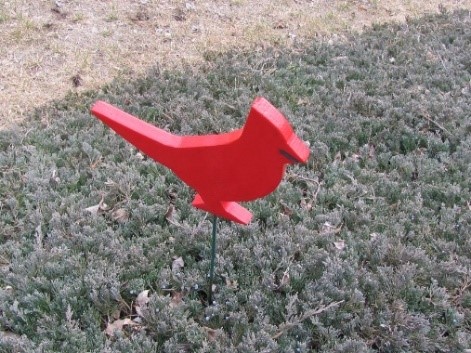
A bird-shape decorative board has been standing outdoors for three years. The wood was plain and had no preservative treatment. With protection by the new technology, the painting still looks like brand new. Moreover, it is intact and has no cracking.
•Wood beams after outdoor exposure up to 5 years
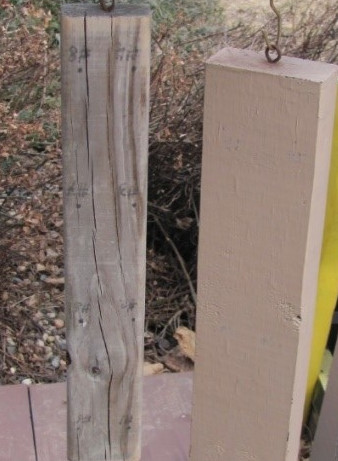
A pressure-treated pine beam at the left of the photo was cracking and deformed after three-year outdoor exposure. With protection by the new technology, the right one with the same preservative had no crack and was intact after outdoor exposure for five years.
•Wood decking re-painted after 5-year outdoor exposure
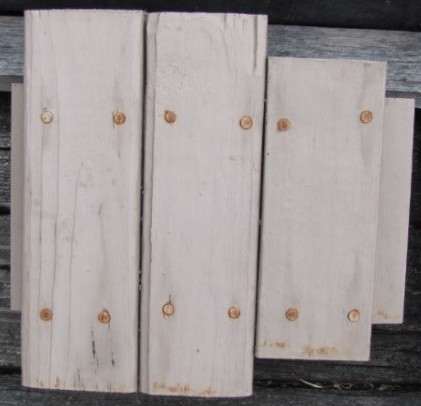 | 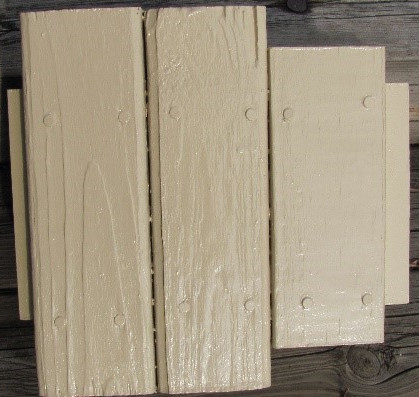 |
| Before Recoating | After Recoating |
In the left picture, the preservative-treated pine samples were protected with the new technology and had been exposed outdoors as wood decking. The decking kit was placed four inches above the ground. After about five-year outdoor exposure, it had no crack and no mold and were intact.
The right picture shows the same decking kit after it has been recently repainted for the first recoating cycle. The original paint was slightly sanded with a piece of 220 grit sandpaper to clean off the dust and dirty on the decking kit. One layer of a new paint was then applied over the original paint. The wood decking protected with the new technology would last longer after several recoating cycles.
LuTech LLC would like to promote this groundbreaking technology through technical license, contract, or other transfer options. If you are interested, please contact us. Thanks!

 lutechbiobased.com